"ARTISTI DELL' ARCO"
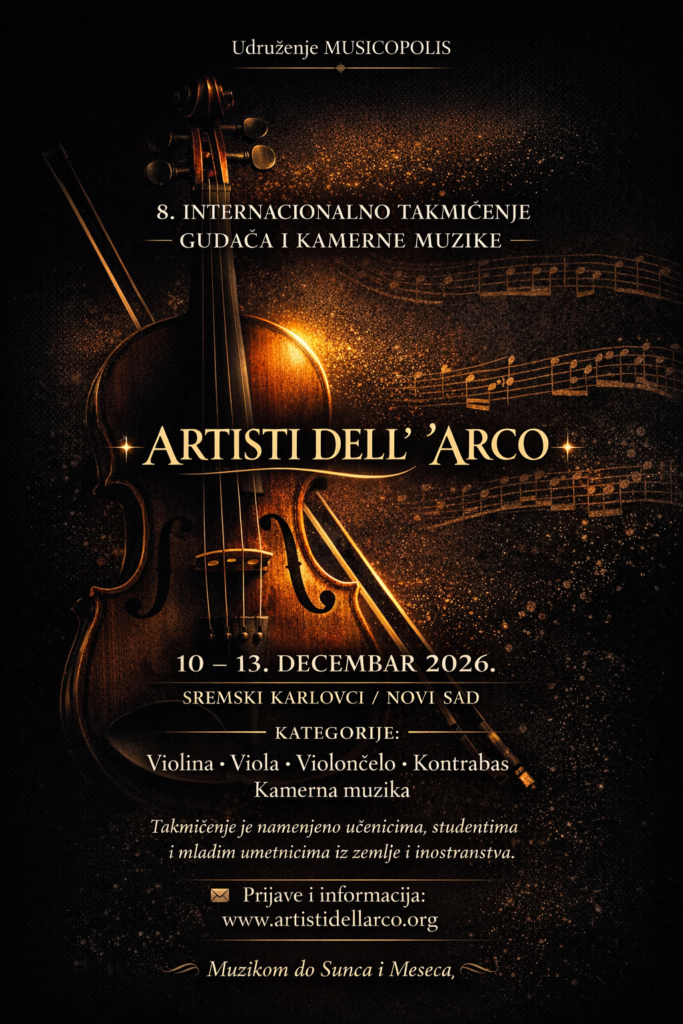
8. INTERNACIONALNO TAKMIČENJE GUDAČA I KAMERNE MUZIKE
8. INTERNATIONAL STRINGS AND CHAMBER MUSIC COMPETITION
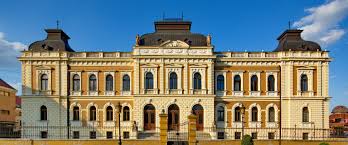
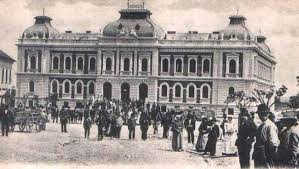
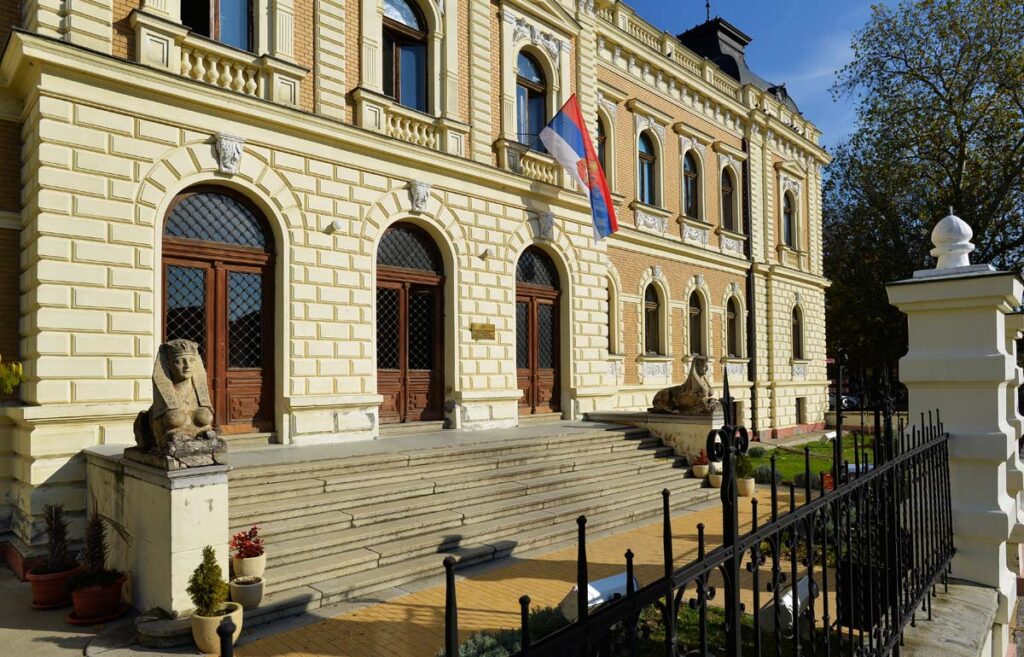
KARLOVAČKA GIMNAZIJA
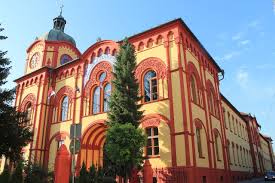
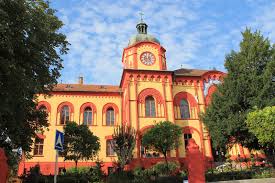
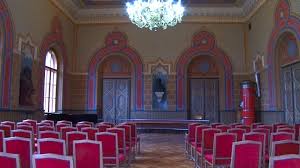
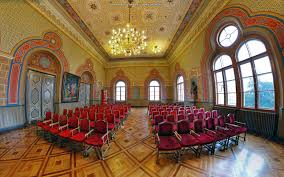
Gimnazija je počela sa radom 1. novembra 1791. godine i imala je šest razreda, četiri niža („gramatika“), i dva viša („humaniora“). Nastavni jezik je bio latinski, a učili su se nemački, istorija, zemljopis, prirodne nauke, antropologija, rimske starine, fizika, logika i moralka. Kasnije je uveden i grčki jezik. 1852. godine dodati su sedmi i osmi razred („filosofija”). Prvi direktor je bio Johan (Jovan) Gros, Slovak koji je doktorirao u Jeni, a sledeći Andrej Volni, takođe Slovak. Sledeći direktor bio je Georgije Karlo Rumi, a od 1821. godine Pavle Magda. Današnja zgrada je sagrađena 1891. godine po projektu Julijusa Partoša, mađarskog arhitekte. Kada je sagrađena, ujedno je bila i Patrijaršijski dvor i smatrana je najreprezentativnijom srpskom građevinom u Vojvodini. Gimnazija ima veoma vrednu biblioteku za istoriju Srba u Mađarskoj. Danas je u ovoj zgradi filološka gimnazija. U sklopu gimnazije nalazi se Volnijev herbarijum s kraja 18. veka, najstarija herbarska zbirka na Balkanu“.
KARLOVAC GYMNASIUM
The Gymnasium began operating on November 1, 1791, with six grades: four lower ones (“Grammar”) and two higher ones (“Humaniora”). The language of instruction was Latin, and the subjects taught included German, history, geography, natural sciences, anthropology, Roman antiquities, physics, logic, and ethics. Greek was introduced later. In 1852, the seventh and eighth grades (“Philosophy”) were added.The first principal was Johan (Jovan) Gros, a Slovak who had earned his doctorate in Jena, followed by Andrej Volni, also a Slovak. The next principal was Georgije Karlo Rumi, and from 1821 Pavle Magda.The current building was constructed in 1891 according to the design of Julius Partos, a Hungarian architect. At the time of its construction, it also served as the Patriarchal Palace and was considered the most representative Serbian building in Vojvodina. The Gymnasium has a very valuable library on the history of Serbs in Hungary. Today, the building houses the Philological Gymnasium. Within the school is Volni’s herbarium from the late 18th century, the oldest herbarium collection in the Balkans.
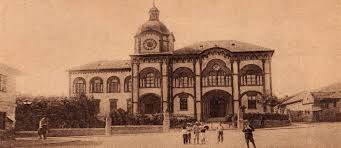
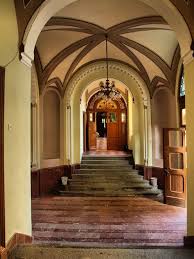
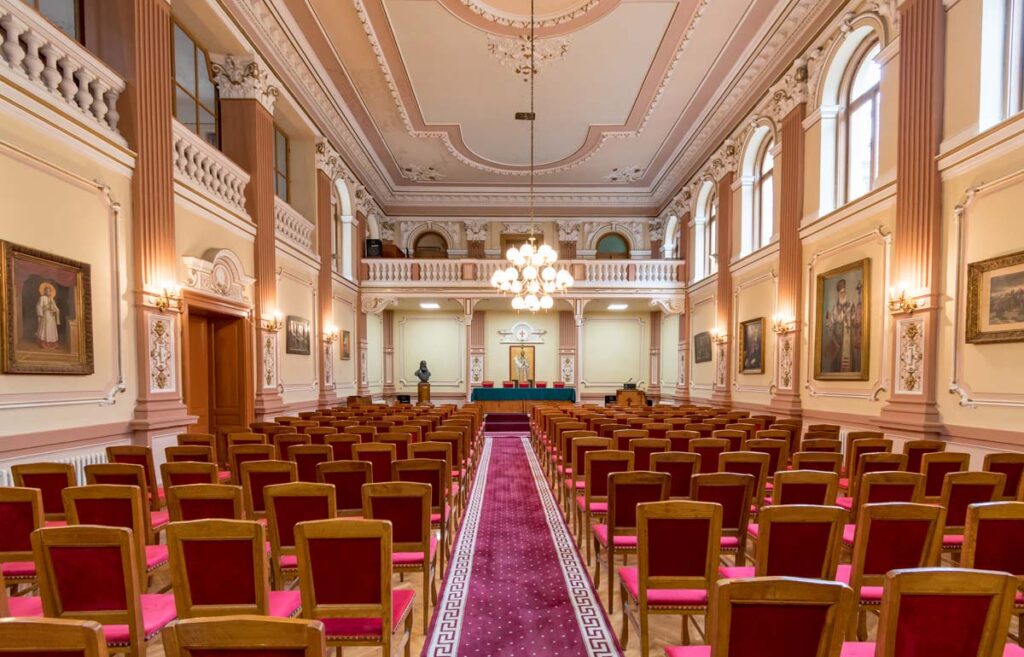
KARLOVAČKA BOGOSLOVIJA
Karlovačka Bogoslovija je najstarija organizovana bogoslovska škola naše Crkve. Osnovana je u vreme karlovačkog mitropolita Stefana Stratimirovića, velikog pregaoca na polju prosvećivanja našeg naroda. Život i rad ove škole tokom proteklih 230 godina može se podeliti u četiri istorijske celine. Prvi period Karlovačke bogoslovije obuhvata vremensko razdoblje od 1794. do 1872. godine. U tom period škola je funkcionisala vrlo skromno kako po uslovima rada tako i u pogledu nastavnog plana i programa. Drugi period Karlovačke bogoslovije traje od 1875 do kraja Prvog svetskog rata – 1918. godine. Ova reformisana škola će u narednim decenijama poprimiti sve odlike današnjih fakulteta po načinu održavanja nastave, polaganja ispita, stručnosti nastavnog kadra Nakon završetka Prvog svetskog rata Bogoslovija nastavlja sa radom u malo izmenjenom obliku – to je treći period od 1920. do 1941. godine. Ova treća istorijska etapa škole biće kratkog daha, završiće se početkom Drugog svetskog rata. Devetnaest godina nakon završetka Drugog svetskog rata, 1964. godine, uz veliko zalaganje svršenog učenika Karlovačke bogoslovije, Patrijarha srpskog Germana, ova škola nastaviće sa radom čime će započeti sadašnji period koji svedoči o trajanju i opstajanju evo već dva veka i tri decenije.
KARLOVAC THEOLOGICAL SEMINARY
The Karlovac Theological Seminary is the oldest organized theological school of our Church. It was founded during the time of the Karlovac Metropolitan Stefan Stratimirović, a significant figure in the education of our people. The life and work of this school over the past 230 years can be divided into four historical periods. The first period spans from 1794 to 1872. During this time, the school operated quite modestly in terms of working conditions and curriculum. The second period lasts from 1875 to the end of World War I in 1918. This reformed school adopted many characteristics of modern universities regarding teaching methods, exam procedures, and the qualifications of the faculty. Following World War I, the seminary continued to operate in a slightly altered form, marking the third period from 1920 to 1941. This phase was relatively short-lived, ending with the onset of World War II. Nineteen years after the war, in 1964, thanks to the significant efforts of a graduate of the Karlovac Theological Seminary, Serbian Patriarch German, the school resumed operations. This marks the beginning of the current period, which attests to its endurance and existence for over two hundred and thirty years.